


The Secret of Secrets by Dan Brown: A Return to Form





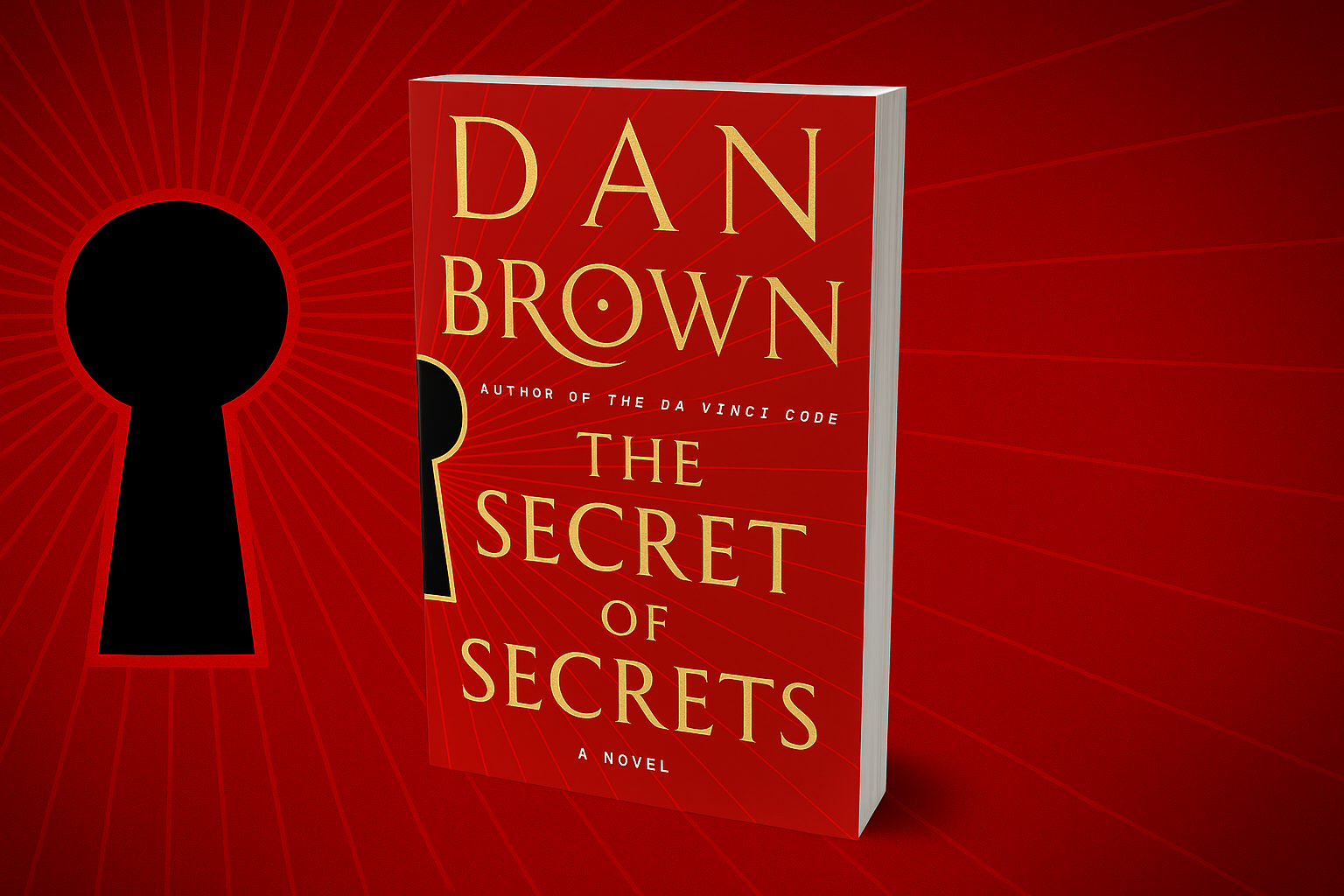
Every so often, an author circles back to the spirit that made you fall in love with their work in the first place. With The Secret of Secrets, Dan Brown feels like he’s doing exactly that, not just returning to form, but clearly having fun doing it.
This is easily his best book since The Da Vinci Code and Angels & Demons. You feel the old spark again: the momentum, the clever puzzles, the page-turning adrenaline, but this time wrapped in something deeper, more reflective, almost mischievously philosophical.
The book resonated because it dives into themes of consciousness, perception, and non-dualism, ideas I’ve been writing about a lot lately. If you’ve read The Meaning of Life, In Praise of Being Yourself, or The Universe Is Whispering to You, you’ll recognize the underlying current immediately. That sense that reality might be more fluid, more interconnected, and more participatory than we habitually assume.
Now, to be clear: this isn’t a supernatural novel. It only feels like one for the first few pages. The opening is a bit jarring, almost deliberately so, like Brown shaking your shoulders and saying, “Suspend your disbelief for a minute. Trust me.” And honestly, you should. Once you lean in, the story unfolds into something surprisingly coherent, grounded, and intellectually satisfying.
What impressed me most is that Brown manages to keep all the classic elements, the chase, the clues, the big reveals, while threading through a conversation about consciousness that feels both modern and ancient. It’s the Dan Brown formula, yes, but matured. More playful. More curious. The book seems to be enjoying itself, and that joy is contagious.
Prague is the perfect setting for the story. Brown makes the city come alive in that very particular way he has where architecture becomes narrative, history becomes a clue, and the city itself turns into a character. You wander its cathedrals, alleys, libraries, and underground chambers with him, discovering a place that feels both ancient and electric. Prague’s layered past, mystical, imperial, alchemical, gives the whole book a texture that suits the story perfectly.
If you’ve been waiting for Brown to write something with the energy of his early hits but the philosophical richness of a writer who’s spent decades thinking about the nature of truth, this is it. I recommend it, especially if you, like me, suspect the universe is a little stranger and a lot more meaningful than it appears at first glance.

Thanks for sharing, I might give this a read.
On another note, do you recommend any biographies / autobiographies? I usually love reading about people’s lives.
Absolutely. I read all the Ron Chernow and Walter Isaacson biographies.
Awesome! Thank you, just picked up the Elon Musk one!!